Periodontal disease, or gum disease, is a severe infection that ruins your teeth’s bone structure and soft tissue. It can cause tooth loss and other diseases if not treated. Surgery could be needed in the late stages to repair gum health and prevent infection spread. If you have questions regarding your gum health, a skilled orthodontist in Culver City can guide you through your treatment process.
Now, let’s divide the types of gum surgeries and what you could undergo for each.
When Is Surgery Needed for Gum Disease?
Surgery is typically advised when non-surgical treatments such as deep cleanings or antibiotics fail to cure the infection. Gum surgery corrects pocket depth, removes bacterial deposits, and corrects damage to gums and bone.
Signs that you will require gum surgery:
- Gum bleeding or swelling that persists
- Deep, large pockets around teeth in the gums
- Loose or moving teeth
- Exposed roots or receding gums
- Bone loss is evident with dental X-rays
If you are experiencing these symptoms, an orthodontist near you can help assess the level of severity and recommend the right gum procedure.
What Are the Common Gum Procedures?
Depending on the severity of your gum disease, your dentist may recommend one of the following gum procedures in Culver City:
Flap Surgery (Pocket Reduction Surgery)
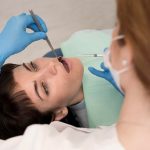
In this procedure, the gums are retracted to remove tartar deposits and bacteria under the gum line. The tissue is next fixed to reduce the depth of the pocket.
Bone Grafting
When gum disease has caused bone loss, grafting can restore support to your teeth. Bone taken from another site (or artificial bone) is placed where there is missing bone.
Soft Tissue Grafting
This is utilized to conceal roots that have been exposed because of gum recession. Tissue is normally harvested from the front of your mouth and then placed over the region of interest.
Guided Tissue Regeneration
This requires inserting a special material between the gum and bone to encourage your body to stimulate your missing bone to regrow.
A trusted Culver City orthodontist will explain each procedure clearly and help you understand which option is best for your specific case.
How to Prepare for Gum Surgery?
Before surgery, your dental team will do a full exam, possibly including X-rays and measurements of your gum pockets. You may also receive:
- A cleaning to remove surface plaque
- Antibiotics, if there’s an infection present
- Instructions on how to care for your mouth before surgery
Your comfort will be a top priority during any gum procedures near you.
What to Expect After Surgery?
Recovery time varies depending on the type of procedure. Some common side effects include swelling, soreness, or light bleeding.
Here are a few tips for smoother healing:
- Use cold compresses to reduce swelling
- Eat soft foods and avoid hot drinks
- Take prescribed medications as directed
- Keep the surgical area clean with gentle rinsing
- Avoid smoking, as it slows down healing
Your dental team will provide full post-op care instructions to guide you through the healing process.
Book a Gum Health Check and Smile Brighter With Coco Lane Orthodontics!
If you’re struggling with gum problems or have been told you may need surgery, don’t wait to take action. Book your consultation with Coco Lane Orthodontics today and take the first step toward a healthier, more confident smile.
FAQs
Is gum surgery painful?
Most patients feel little to no pain during the procedure due to local anesthesia. Mild discomfort after surgery is normal but manageable.
How long is the healing time?
Healing usually takes 1 to 2 weeks, but complete recovery may take longer depending on the procedure and your overall health.
Will I need more than one surgery?
In some cases, multiple visits are needed if the disease affects several areas of the mouth.
Is gum surgery safe for everyone?
Most people can safely undergo gum surgery, but your dentist will check your medical history first.
How do I prevent gum disease from coming back?
Brush and floss daily, avoid smoking, and visit your dentist regularly for cleanings and checkups.