Watching your child grow is a wonderful journey. Sometimes, though, a small physical issue can make things like eating or talking a lot harder for them.
If you notice your little one is struggling to feed or move their mouth, looking into a lip and tongue tie release in Culver City can help.
Fixing these issues early is the best way to make sure your child grows up healthy. It helps them eat, speak, and smile without feeling frustrated by a mouth that doesn’t move quite right.
What Should Parents Look For In Babies?
For newborns, the first signs of a problem usually happen during feeding time. Spotting the early signs of tongue tie in babies can save everyone a lot of stress.
You might notice that your baby has a hard time staying latched or makes a clicking sound while they drink. This happens because the skin under the tongue is too tight.
It keeps the tongue from lifting high enough to get a good hold, which can make nursing or bottle-feeding a struggle.
How Do Things Change As A Child Grows?
As a child gets older, the problems can start to affect their speech and their teeth.
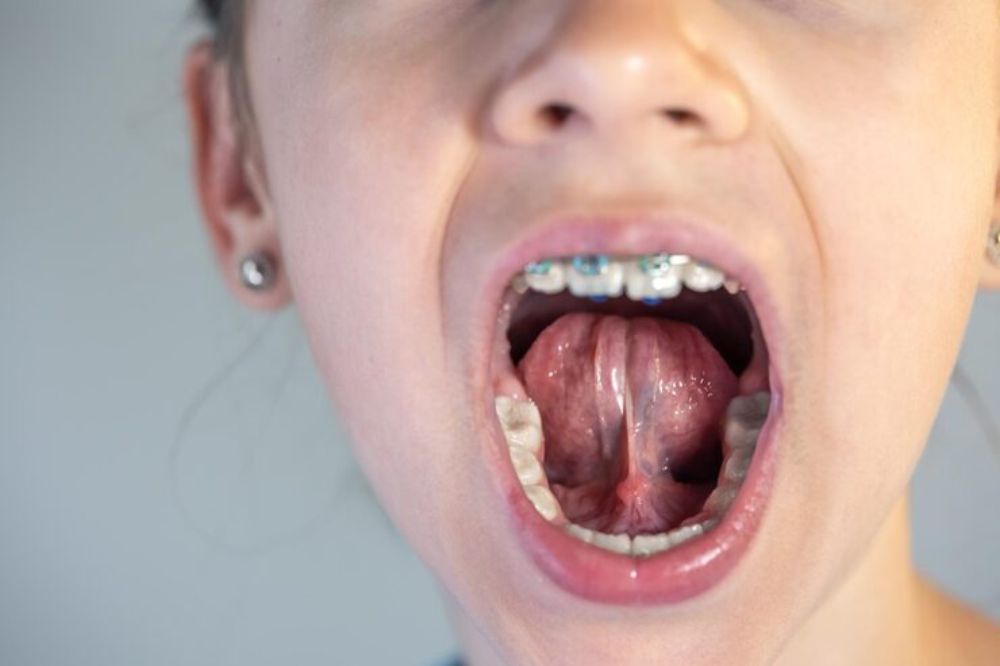
Many parents ask, how do I know if my child has a tongue tie, especially when their toddler starts to talk. You might notice they have trouble making sounds like “t,” “d,” or “l.” You might also see that their tongue looks a bit like a heart when they stick it out.
These issues can even cause gaps between their front teeth because the tongue can’t move around to keep the mouth healthy.
Common Symptoms To Watch For
Finding lip and tongue tie symptoms in children means looking closely at how they use their mouth every day.
It isn’t just about the tongue; a lip tie can make the top lip feel stiff, which also makes it hard to eat or brush their teeth.
- Slow weight gain: Babies might get tired out from trying to eat and not get enough milk.
- Tummy trouble: If a baby can’t latch well, they swallow too much air, which leads to gas.
- Mouth breathing: If the tongue can’t sit in the right spot, a child might sleep with their mouth open.
- Trouble with solid food: Kids might gag or choke because they can’t move food around to chew it.
Why Is A Local Professional A Great Help?
When you decide to get help, finding a lip and tongue tie release near you makes life much easier. The fix is usually very fast and uses a gentle laser that doesn’t hurt much at all.
Being close to the office means you can easily go back for check-ups to make sure everything is healing well.
A local expert will also show you easy tongue games and stretches to do at home so the skin doesn’t grow back too tight again.
When Should A Lip Or Tongue Tie Be Treated?
A common question for families is when a lip or tongue tie should be treated to get the best results.
Most experts say that the earlier you fix it, the better it is for the child. Fixing it for a baby can help them eat and grow right away.
If you find it later, fixing it before they start school can help them speak clearly and feel more confident. There is no “perfect” age, but fixing it early stops bad habits from starting in the first place.
How These Ties Affect Your Child
This table shows how these issues can change as your child gets older.
| What to Watch | For Babies | For Older Kids |
| Eating | Trouble latching | Messy eating or gagging |
| Talking | Less babbling | Trouble with “L” and “R” sounds |
| Teeth | Hard to clean gums | Gaps between teeth |
| Sleep | Waking up hungry | Snoring or mouth breathing |
| Growth | Hard to gain weight | Jaw might grow too narrow |
The Secret To A Good Result
After the skin is released, the tongue needs to learn how to move in a new way. The team will show you “stretches” and fun games that help the tongue reach up and out.
For older kids, this might also mean working with a speech teacher to fix old habits. These exercises are the most important part! They make sure the mouth stays flexible so your child can speak clearly and eat easily for the rest of their life.
Why Does A Quick Fix Help For A Lifetime?
Fixing a tie isn’t just about today; it’s about your child’s future. The tongue needs to sit against the roof of the mouth to help the jaw grow wide enough for all its adult teeth.
When the tongue is in the right spot, it helps the face grow correctly and keeps the airway open for better sleep. An orthodontist near me can also evaluate how proper tongue placement supports healthy jaw and facial development.
By fixing these signs now, you are helping your child breathe better, have straighter teeth, and feel more sure of themselves when they talk.
Help Your Child Feel Their Best
Your child being able to eat and talk easily is so important for their happiness.
At Coco Lane Orthodontics, we know how to help with these issues gently and kindly. Our goal is to help your child sleep, eat, and speak better with a treatment that is simple and fast.
As a trusted orthodontist Culver City, we want to see every child in our community grow up with a healthy smile. Call us right now to book your visit, reach out today and let us help your child succeed!
Frequently Asked Questions
Does the procedure hurt the baby?
Most fixes today use a laser, which is very fast and doesn’t cause much bleeding. Babies can usually nurse right after it’s done, which helps them feel better and starts the healing process immediately.
Will a tongue tie go away as they grow?
No, the skin that causes the tie won’t stretch out or disappear on its own. While some kids find ways to work around it, the physical tie will stay there until a professional releases it.
How fast is the recovery?
The mouth usually heals in about a week, but you will see changes in how they eat or talk almost right away. It gets even better as they practice moving their tongue over the next few weeks.
What if we don’t fix it?
If left alone, some kids might have trouble talking clearly or eating certain foods. Some adults who never had it fixed as kids deal with neck pain or sleep problems because of it.





 by MediaNV |